




Book
The Wealth of Nations
482 pages · 2018 · Rating 4.4
We earn a small commission if you buy. It never changes a grade.
Key takeaways
The Invisible Hand
Adam Smith introduces the concept of the 'Invisible Hand'. This idea suggests that individuals pursuing their own self-interest can lead to benefits for society as a whole. It's like an unseen force that guides free markets and capitalism. So, if you're interested in economics, you should definitely check this out.
Division of Labor
Smith explores the idea of division of labor. He argues that dividing work into smaller tasks increases productivity. This is because workers can specialize in one area, improving their skills and speed. If you're running a business, you might want to look into this concept.
Free Market Economy
The Wealth of Nations is a great book to read if you want to understand the concept of a free market economy. Smith argues that this type of economy, where goods and services are freely exchanged without government intervention, is the most efficient and beneficial for society.
The Role of Self-Interest
Adam Smith believes that self-interest is a powerful driver in the economy. He suggests that when individuals act in their own self-interest, they indirectly promote the good of society. If you're curious about the motivations behind economic decisions, you should definitely dig into this.
The Importance of Competition
Smith also emphasizes the importance of competition in a free market. He believes that competition can lead to better products and services, as businesses strive to outdo each other. If you're interested in the dynamics of the business world, you'll find this concept fascinating.
Who recommends The Wealth of Nations
8


About this book
- Author
 Adam Smith
- Pages
- 482
- Edition
- 2018
- Summary
- Adam Smith’s Inquiry into the Nature and Causes of the Wealth of Nations, published in 1776, is a seminal work on political economy and the foundation of the modern market economy.
The book is rich in historical background and acute observations of the 18th-century scene. In addition to its economic analysis, Smith’s masterpiece is an insightful work of political philosophy, revolutionary in its concepts including the notion that self-interest stimulates a healthy economic environment for all.
Quotes
What people have said about The Wealth of Nations.
Adam Smith's 'The Wealth of Nations' was the most influential book on market economics ever written.
 Milton FriedmanEconomist, Statistician
Adam Smith's 'The Wealth of Nations' is a monumental work that laid the groundwork for modern economics.
 John Maynard KeynesEconomist, Philosopher
Smith's 'The Wealth of Nations' is a profound exploration of the economic system that remains relevant today.
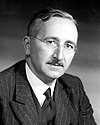 Friedrich HayekEconomist, Philosopher
Adam Smith's 'The Wealth of Nations' is a foundational text in the field of economics.
 Paul SamuelsonEconomist, Academic
Smith's 'The Wealth of Nations' is a seminal work that continues to shape our understanding of economic principles.
 Joseph StiglitzEconomist, Author
If you liked The Wealth of Nations
The Innovator's Dilemma
23 readers · Rating 4.5
Antifragile
21 readers · Rating 4.5
1984
18 readers · Rating 4.7
Range
17 readers · Rating 4.6
The Black Swan
17 readers · Rating 4.5
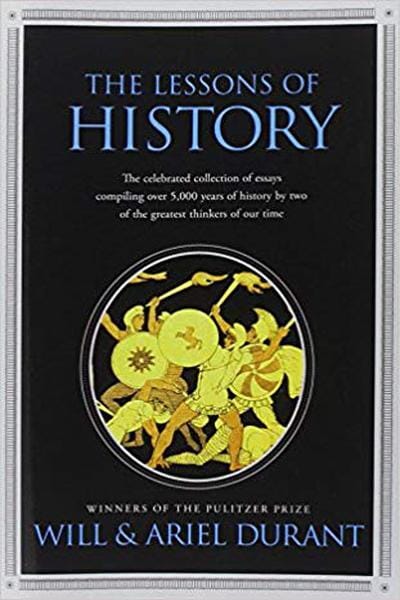
The Lessons of History
15 readers · Rating 4.6
Fooled by Randomness
12 readers · Rating 4.5
Predictably Irrational
12 readers · Rating 4.6




In reading lists
More books from these readers
Other books recommended by readers who recommend this one.